
We have extensive experience in repair

Let's find you
the Best Insurance

50+ insurers with one
of the best prices

Quick, easy &
hassle free

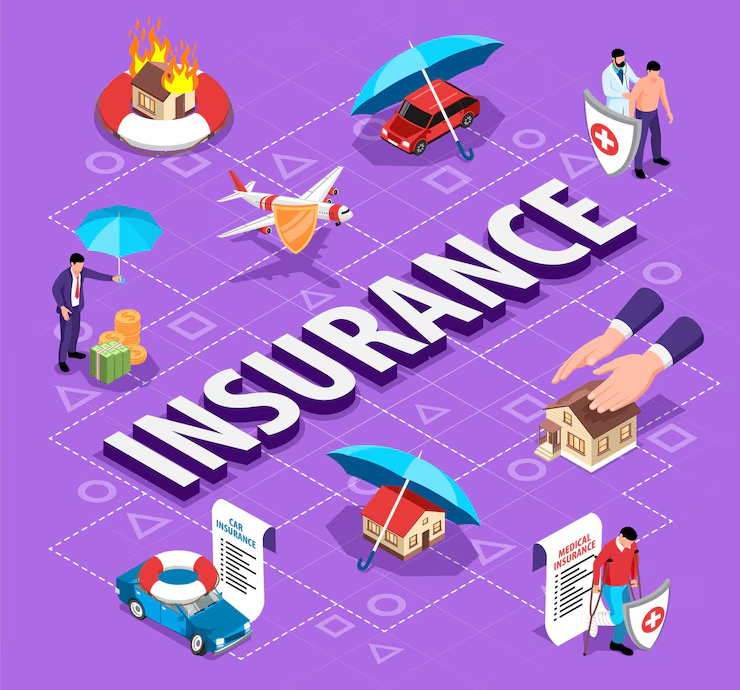
Insurance is a financial product designed to provide protection against potential financial losses or risks.

insurance is an essential tool for managing risk and ensuring financial stability.

Key Features of Insurance Risk Management:

Key Features of Insurance
Risk Management:

Risk Management: Insurance allows individuals and businesses to manage risks by providing financial compensation in the event of specified losses. This can include damage to property, health issues, accidents, or other unforeseen events.

Gain a Steady Stream of High-Converting Prospects

What an Insurance Lead Generation Company
Can Do for Your Business

  • Website Development and Maintenance
  • Social Media Brand Management
  • Lead Nurturing
  • Paid Marketing
  • Campaign Evaluation
  • insurance pay-per-click marketing
How we work

Types of Insurance

01.

Health Insurance:

Covers medical expenses, including doctor visits, hospital stays, surgeries, and prescription medications. It can also provide preventive care and wellness services.

02.

Life Insurance:

Provides a financial payout to beneficiaries upon the death of the insured. It can help cover funeral expenses, pay off debts, or provide income support for surviving family members.

03.

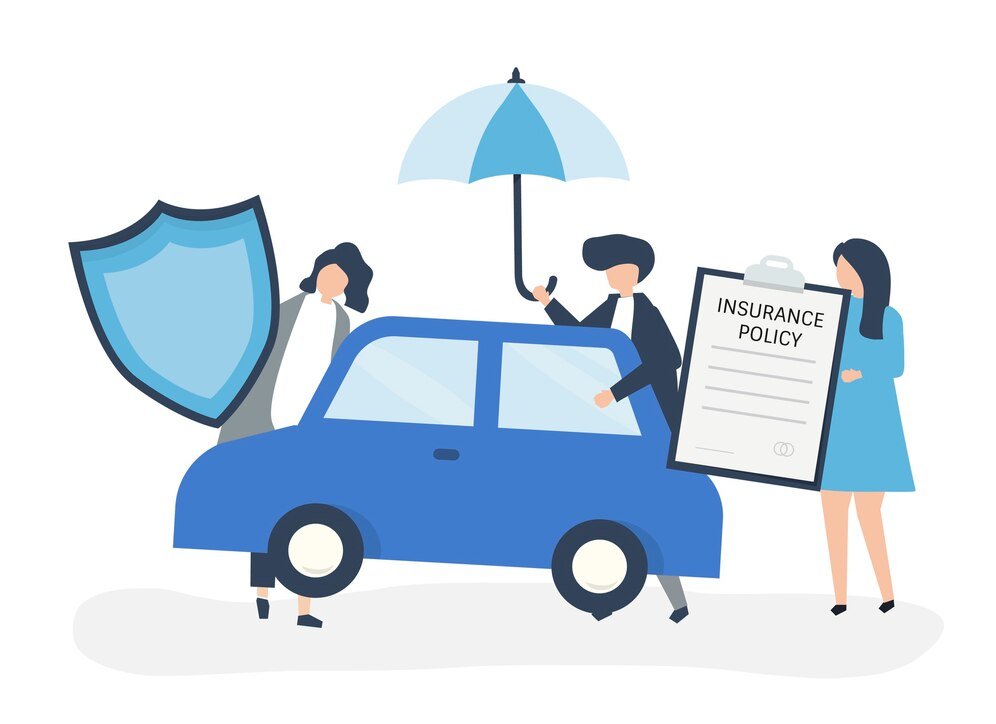
Auto Insurance:

Protects against financial losses resulting from car accidents, theft, or damage. It typically includes liability coverage, collision coverage, and comprehensive coverage.
04.

Homeowners Insurance:

Covers damage to a home and its contents due to events like fire, theft, or natural disasters. It also provides liability protection for accidents that occur on the property.

05.

Renters Insurance:

Similar to homeowners insurance, but designed for renters. It covers personal belongings and provides liability protection.
the property.

06.

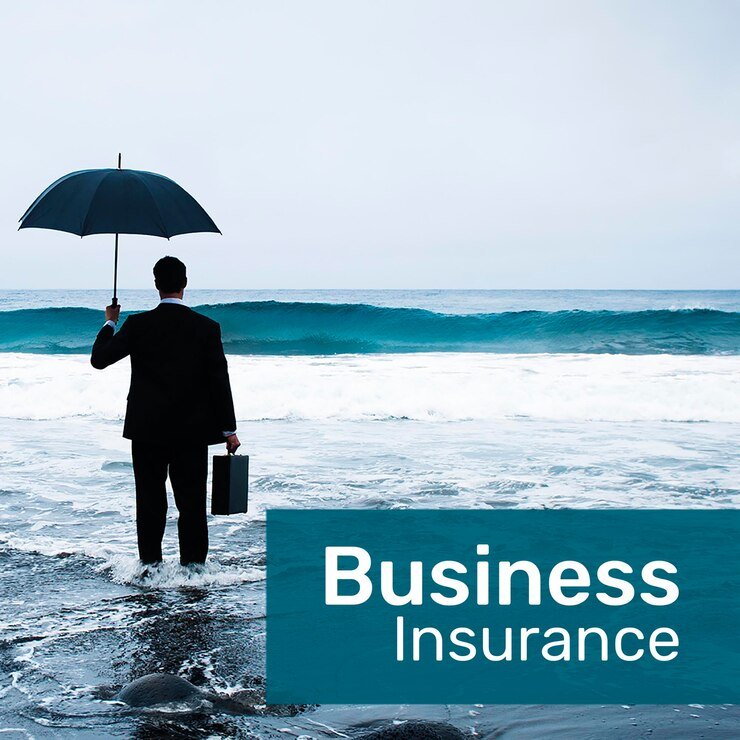
Business Insurance:

Protects businesses against various risks, including property damage, liability claims, and business interruption. Common types include general liability insurance, property insurance, and workers' compensation.
07.

Travel Insurance:

Covers unexpected events during travel, such as trip cancellations, medical emergencies, lost luggage, and travel delays.

08.

Disability Insurance:

Provides income replacement if the insured is unable to work due to a disability or illness.

Benefits of Insurance

Financial Protection:

Insurance provides a safety net that helps protect against significant financial losses, ensuring that individuals and businesses can recover and rebuild after a loss.

Peace of Mind:

Knowing that you are covered in case of unexpected events reduces stress and provides a sense of security.

Risk Transfer:

By transferring the risk to an insurance company, policyholders can focus on their personal and professional lives without constantly worrying about potential risks.

Compliance:

Certain types of insurance, such as auto insurance and workers' compensation, are legally required, ensuring compliance with laws and regulations.

Investment Protection:

For businesses, insurance protects investments in property, equipment, and human resources, contributing to long-term stability and growth.

What time does the stock market open and close?

In the U.S. stock markets major exchanges such as the New York Stock Exchange (NYSE) and Nasdaq are open from 9:30 .a.m to 4.p.m Eastern Time. However, this varies around the world depending on what exchange you’re looking at and whether that day is a holiday.

Our advantages

How to Choose the Right Insurance

In summary, insurance is an essential tool for managing risk and ensuring financial stability. By providing coverage for various types of losses, insurance helps individuals and businesses recover from unexpected events and maintain their financial well-being.

01.

Assess Your Needs:

 Determine what risks you need coverage for and what types of insurance are most relevant to your situation.

02.

Compare Policies:

Shop around and compare different insurance policies, taking note of coverage limits, exclusions, and premiums.


03.

Check Insurer Reputation

Choose a reputable insurance company with strong financial stability and good customer service.


04.

Read the Fine Print:

Carefully read and understand the terms and conditions of the policy before making a decision.